Switzerland stands as a global epicenter for extreme-environment engineering, demanding uncompromising safety margins, strict tolerances, and specialized metallurgical standards. From the sub-atomic research arrays at CERN requiring liquid-helium temperature ranges (-271°C / 1.9 K) to high-precision aerospace subsystems and advanced pharmaceutical processing, components must endure severe cold pressures without suffering structural embrittlement.
Standard carbon steel and low-alloy fasteners undergo a dramatic transition from ductile to brittle behavior as temperatures plummet. In specialized cryogenic environments, standard engineering components are prone to catastrophic failure. Beiersdorf Industrial Technology (Shanghai) Co., Ltd. bridge this critical gap, exporting premier cryogenic fasteners meticulously configured for Switzerland’s strict regulatory landscapes and scientific applications.
Engineered for extreme sub-zero applications, including scientific instrumentation, liquid gas shipping, and deep aerospace deployment.
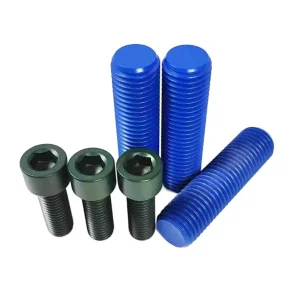
Optimized for stability in severe sub-zero systems down to -196℃. High corrosion resistance and ductile assurance.
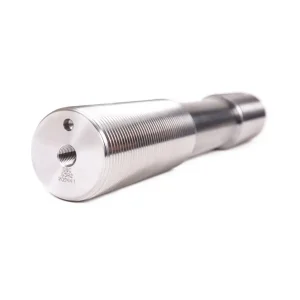
CCS certified marine grade fasteners ideal for LNG vessels, offshore drilling, and cryogenic maritime transport systems.
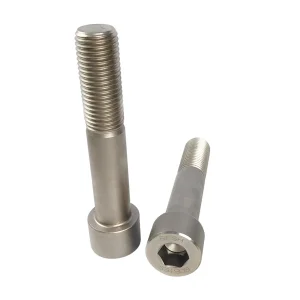
Tailor-engineered bolts in exotic materials like Inconel, Monel, and Grade 5 Titanium for aggressive cold exposures.
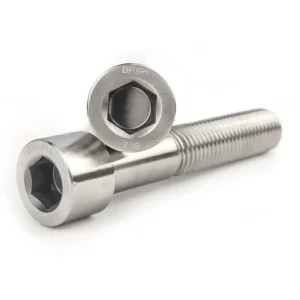
Specially formulated alloys designed to withstand thermal cycling and high-temperature stress transients.
Designing fasteners for cold temperature storage (LNG at -162°C, liquid nitrogen at -196°C, and liquid helium at -269°C) mandates a fundamental transition from standard ferritic steels to highly specialized crystal lattices. Austenitic stainless steels, nickel-based superalloys, and titanium elements preserve their Face-Centered Cubic (FCC) crystal structure, preventing sudden failure modes associated with Body-Centered Cubic (BCC) carbon steels.
| Material Type | Standard Grade | Temperature Range | Main Applications |
|---|---|---|---|
| Austenitic Stainless Steel | ASTM A320 B8 / B8M Class 2 | Down to -196℃ | Valves, pumps, and pipe connections for LNG. |
| Nickel-Base Superalloys | Inconel 718 / 625 | Down to -253℃ | Liquid oxygen/hydrogen rocket propulsion. |
| Cobalt-Base Alloys | Co-Cr Alloys | Down to -269℃ | Scientific research reactors, high-vacuum equipment. |
| Titanium Alloys | Ti-6Al-4V ELI (Extra Low Interstitials) | Down to -250℃ | Aerospace instrumentation, non-magnetic assemblies. |
In cryogenic environments, even minor trace impurities can compromise performance. High-purity alloys, such as Ti-6Al-4V ELI, are formulated with ultra-low contents of oxygen, nitrogen, hydrogen, and carbon. By keeping these elements to absolute minimums, we suppress mechanical stiffness increases at low temperatures, ensuring the fastener retains its elongation and impact toughness profile.
To assure Swiss quality standards, Beiersdorf fasteners are synthesized using premium raw materials processed via Vacuum Induction Melting (VIM) combined with Vacuum Arc Remelting (VAR). This double-vacuum treatment cycle minimizes gas impurities, eliminates alloy segregation, and delivers consistent metallurgical uniformity across every batch.
Providing complete systems integration rather than just individual mechanical elements.
Switzerland’s research facilities demand non-magnetic fasteners with extremely low magnetic permeability (μ ≤ 1.005) to avoid interfering with particle accelerator coils, superconducting magnets, and ultra-high vacuum chambers (UHV).
With Europe's strategic shift towards alternative fuel storage, Swiss clean energy distribution grids require safe gas handling. Our ASTM A320 L7 and L43 stud bolts provide critical flange seals against leakages at extreme working pressures.
Satellites and launcher programs operate in harsh thermal cycles ranging from direct solar heat down to deep-space cold. Beiersdorf supplies ultra-lightweight titanium bolts and high-strength Inconel studs matching ESA specifications.
Every shipment intended for Swiss industrial installation is delivered with complete documentation. Our QA workflow aligns with Swiss Safety Center protocols and meets harmonized European machinery directives.
Our commitment to precision engineering starts inside the raw material inspection warehouse. We subject incoming bars to rigorous optical emission spectrometry (OES) analysis to verify chemical compositions before production begins. For safety-critical Swiss infrastructure, standard dimensional checking is not sufficient.
We perform thread rolling after heat treatment to increase fatigue limit thresholds, mitigating notch sensitivity at low temperatures. Furthermore, our specialized coating methods (including PTFE, zinc-nickel plating, and silver coatings) protect against thread galling during cryogenic assembly cycles.
Beiersdorf Industrial Technology (Shanghai) Co., Ltd. was established in 2015 and is located in Shanghai, China. It is an enterprise mainly engaged in the business of special fasteners and ultra-high precision components.
“Product quality is the foundation for an enterprise's survival.”
“Heart to sunshine, everything to prosperity”
Leveraging China's high-tech manufacturing corridors and strategic logistical hubs, Beiersdorf integrates advanced CNC turning, thread rolling, and localized heat treatment centers to supply critical fasteners globally. Our 2,535 m² production facility in Shanghai manages over 100,000 product SKUs, delivering cost efficiencies and raw material sourcing flexibility without sacrificing international quality standards.
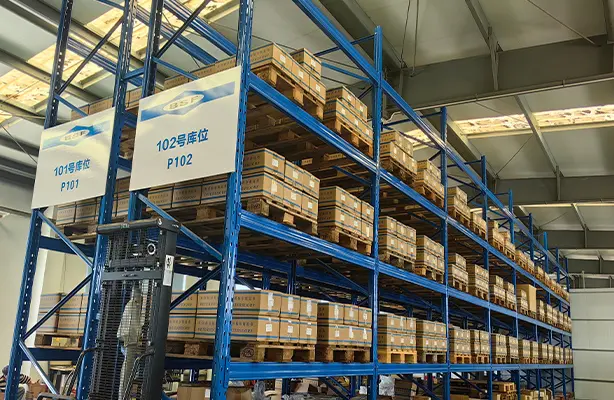
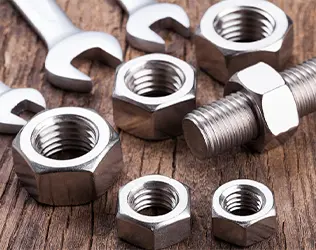
Precision components designed for extreme environments, heavy industry, marine engineering, and scientific research.
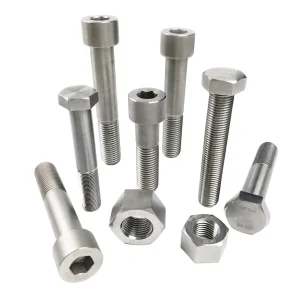
Advanced solution-annealed nickel superalloys. Extreme load capabilities across severe thermal cycles.
Precision-machined high-strength fasteners. Meticulously inspected for structural integrity under stress.
Designed to maintain structural integrity and resist oxidation at sustained temperatures up to 1200℃.
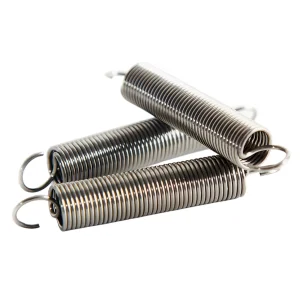
Manufactured using specialized drawing techniques. Perfect for mechanical springs facing extreme fatigue cycles.
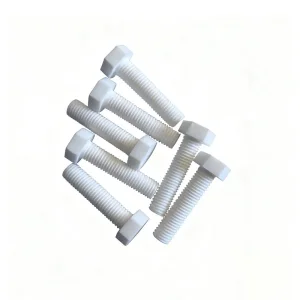
Corrosion-free, chemically inert, and lightweight fasteners optimized for medical devices and aerospace cabins.
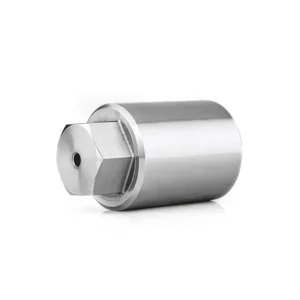
Ideal for MRI scanners, high-resolution scientific sensors, and precision aerospace instrumentation.
Fully certified by the China Classification Society. Engineered to resist marine corrosion and stress fatigue.
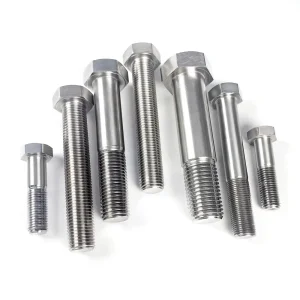
Engineered for extreme structural joints. Combines high tensile strength with robust thermal resistance.
Critical metallurgical insights for mechanical designers, logistics teams, and procurement managers in Switzerland.
Standard carbon and alloy steels exhibit a Body-Centered Cubic (BCC) atomic structure. As temperatures drop below their specific Ductile-to-Brittle Transition Temperature (DBTT), these materials lose their plastic deformation capacity. Under stress, they fracture abruptly without yielding, leading to structural failures. Cryogenic fasteners use Face-Centered Cubic (FCC) metals like austenitic stainless steel, nickel, and titanium, which do not show a DBTT and maintain high impact energy performance at cryogenic temperatures.
The primary standard is ASTM A320 (Standard Specification for Alloy-Steel and Stainless Steel Bolting Materials for Low-Temperature Service). Common grades include Grade L7 (chrome-moly steel heat-treated for use down to -101°C), Grade L43 (nickel-chrome-moly steel rated to -101°C with higher tensile capacity in thick dimensions), and Grades B8/B8M (austenitic stainless steels 304/316, suited down to -269°C).
Austenitic stainless steels are highly susceptible to galling—a form of adhesive wear that can seize threads during installation. We apply specialized coatings such as Teflon (PTFE), molybdenum disulfide (MoS2), silver plating, or specialized solid-film lubricants. This reduces friction coefficients, allowing smooth tensioning and easy disassembly during maintenance intervals.
We perform liquid penetrant inspections (LPI) to identify surface defects, ultrasonic inspections (UT) to detect internal micro-voids, and Charpy V-notch impact testing at liquid nitrogen (-196°C) or liquid helium (-269°C) levels. Every manufacturing batch is provided with EN 10204 3.1 material test certificates to ensure chemical, dimensional, and mechanical conformance.
Beiersdorf is not only a supplier of special fasteners, but also can provide various technical consultations and guidance related to fasteners, including the selection of products and raw materials in the early stage, as well as the installation guidance and maintenance of fasteners in the subsequent stage.
If you are managing low-temperature piping systems, scientific test systems, or aerospace systems in Zurich, Geneva, Basel, or anywhere globally, our engineering team can help select the correct material grades, thread specifications, and surface treatments.
Need a Consultation? Contact Us 24/7
Stay updated with our manufacturing developments, logistics expansions, and international standard updates.
In the heart of the global industrial landscape, the fastener industry stands as a silent but crucial cog driving the machinery of progress. As we step into 2025, the future of fasteners is poised...
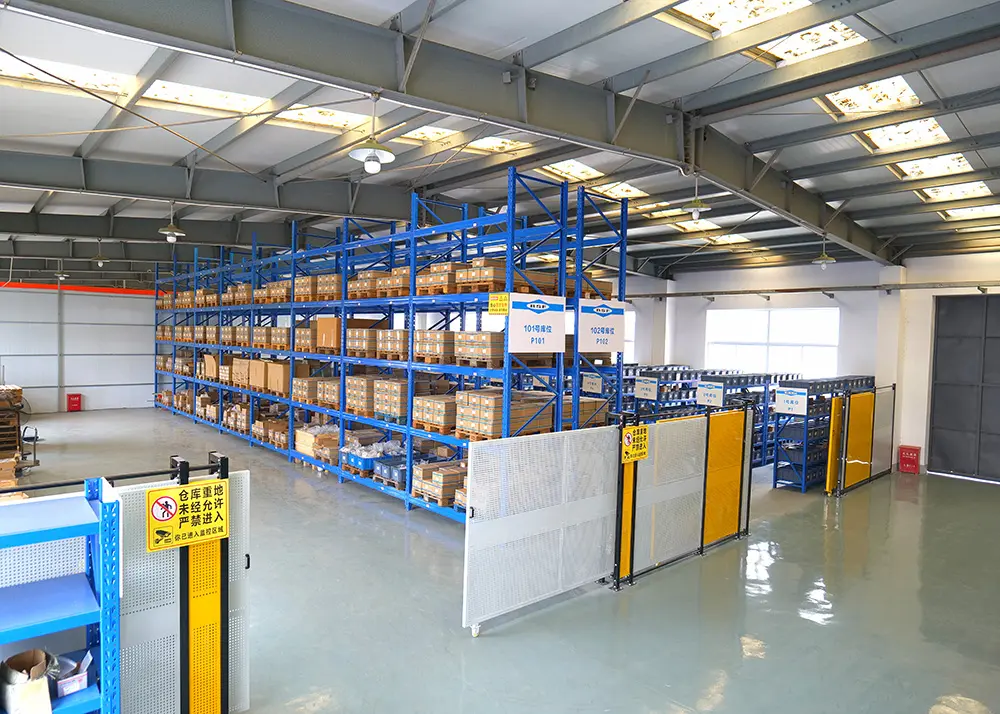
Beiersdorf, a leading global fasteners supply company, has announced the commencement of a comprehensive warehouse renovation project. This initiative is part of the company's ongoing c...
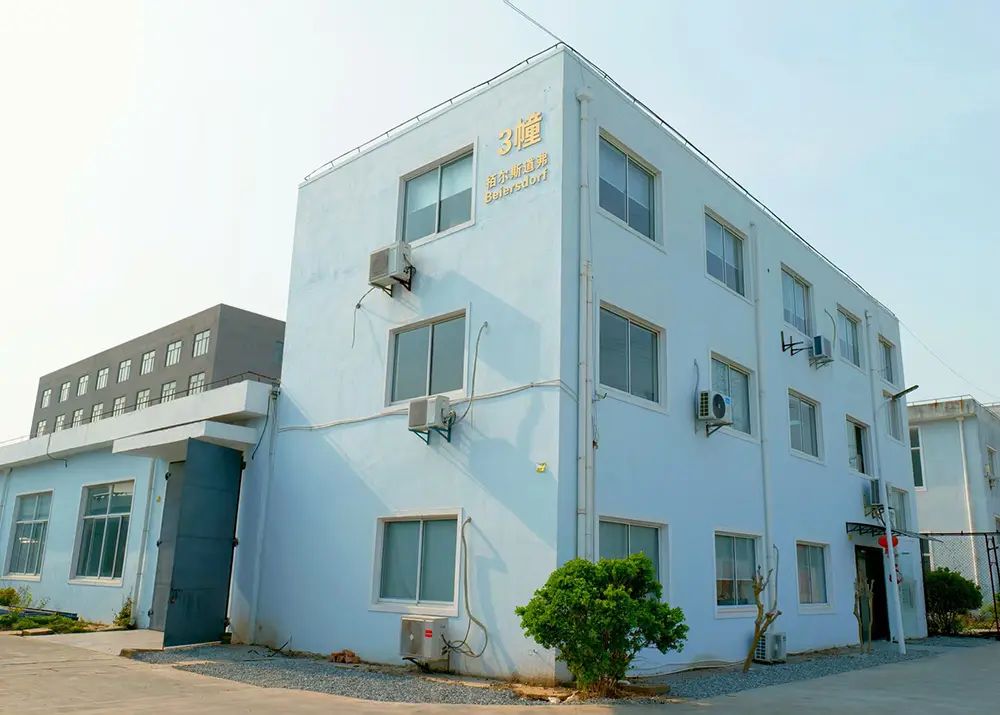
Beiersdorf (Shanghai) was founded in 2015. We are a company with a global perspective dedicated to providing professional fastener solutions. Fasteners, as the most basic and common mechanical pa...
From our manufacturing plants in China to demanding project sites across Western Europe and Switzerland.

 BSF
BSF